
Peptides before surgery: do you have to stop GLP-1 drugs like Ozempic?
Your anesthesia team makes your plan. This page explains the official guidance so you know what to ask.
By the Peptide Science Desk Editorial TeamFact-checked against FDA and official sources · Not yet reviewed by a licensed clinician. How we check facts
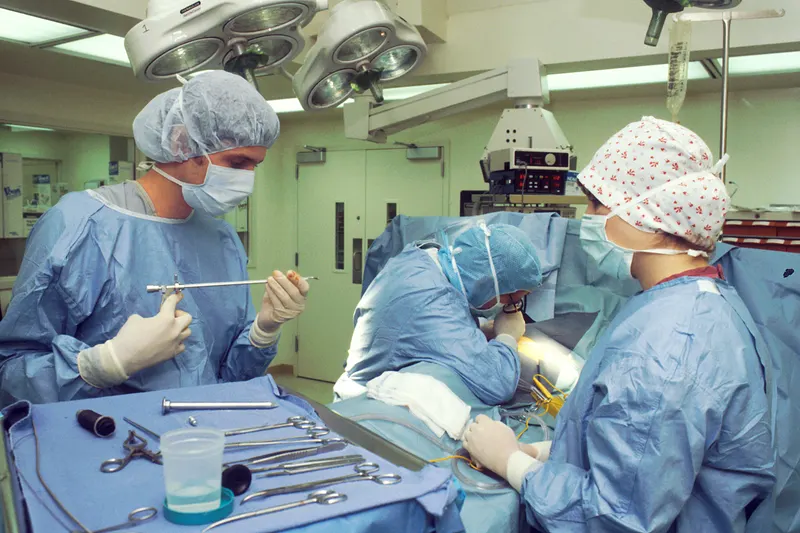
Do you have to stop GLP-1 before surgery?
- For most people, no. A 2024 guidance from 5 US groups, led by the American Society of Anesthesiologists, says most patients can keep taking GLP-1 drugs before surgery.
- A 2025 UK consensus from 8 groups says the same: keep taking them, and get a full risk check.
- The UK drug safety agency (MHRA) tells patients: take your medicines as usual and do not stop without talking to your doctor.
- Stopping has its own risks. The US guidance says it can raise blood sugar in people with diabetes.
- Your own team can still decide something different for you. Follow their plan.
Why do GLP-1 drugs matter for anesthesia?
- GLP-1 drugs slow how fast your stomach empties. That is part of how they make you feel full.
- The FDA labels for Wegovy and Zepbound say there are rare reports of "pulmonary aspiration" in people on these drugs. That means stomach contents got into the lungs during anesthesia or deep sedation.
- In those reports, food was still in the stomach even though people had fasted as told.
- The FDA labels also say the data are not enough to know if changing fasting rules or pausing the drug lowers the risk.
- That is why the labels say: tell your providers before any planned surgery.
Who is at higher risk before surgery?
- The US guidance lists higher risk when you are in the dose-raising phase (often the first 4 to 8 weeks or after a dose increase).
- Also: if you have nausea, vomiting, belly pain or bloating, if you are on a higher dose, or if you have a condition that slows the stomach, like gastroparesis or Parkinson's disease.
- The MHRA adds diabetic gastroparesis, obesity and reflux (GERD).
- The US guidance says weekly shots cause more stomach side effects than daily ones.
What does the US anesthesia guidance say?
- It came out on Oct 29, 2024, from the ASA and 4 other US groups for stomach, weight-loss and surgery doctors.
- Most people can continue the drug.
- Higher-risk people may be asked to follow a liquids-only diet for 24 hours before the procedure.
- On the day of surgery, the team checks for symptoms. They may do a quick stomach ultrasound, change the anesthesia plan, or in rare cases delay the surgery.
- The ASA says about 1 in 8 US adults use GLP-1 drugs.
What do UK doctors say about GLP-1 and surgery?
- A January 2025 UK consensus (8 groups, published in the journal Anaesthesia) says people should keep taking GLP-1 and GIP/GLP-1 drugs before surgery.
- Everyone should get a full risk check, and the team should use ways to lower the chance of aspiration.
- The UK drug agency (MHRA) warned on Jan 28, 2025 that food can stay in the stomach despite fasting. It said a European review could not recommend a set time to pause the drugs.
- The MHRA told doctors to ask directly. Some people buy these drugs for weight loss online and do not mention them unless asked.
How long do GLP-1 drugs stay in your system?
- Each FDA label lists a "half-life." That is how long it takes for half the drug to leave your blood. See the chart below.
- Semaglutide (Wegovy, Ozempic) has a half-life of about 1 week. Tirzepatide (Zepbound, Mounjaro) is about 5 to 6 days. Liraglutide (Saxenda) is about 13 hours.
- The Wegovy label says semaglutide stays in the blood for about 5 to 7 weeks after the last shot.
- A half-life is not a stop schedule. The official groups above do not give one stop time for everyone. Ask your own team.
Should I stop BPC-157 or other peptides before surgery?
- Nobody knows. BPC-157, TB-500, KLOW, GLOW and other "research" peptides have never been studied with surgery or anesthesia.
- They are not FDA approved, so there is no label with surgery advice. The FDA says it has little or no safety data on BPC-157 for the ways people use it.
- Retatrutide is not approved either. It acts on GLP-1, like Wegovy and Zepbound, so tell your anesthesiologist if you use it.
- Collagen powder is a food supplement. Tell your team about it like any other supplement.
- Tell your surgeon and anesthesia team about every medicine, peptide and supplement you use, even ones bought online.
What should I tell my anesthesiologist?
- The name of every GLP-1 drug or peptide you use, including ones bought online, compounded or "for research."
- When you took your last dose, and whether you started or raised the dose in the last few weeks.
- Any nausea, vomiting, bloating, belly pain, heartburn or constipation lately.
- If you have diabetes, and what other diabetes medicines you take.
- If you have gastroparesis, reflux or Parkinson's disease.
- Ask: "Do I need to change anything about eating, drinking or my medicines before surgery?"
The numbers in charts
Surgery on a GLP-1 drug or peptide: the steps the guidance describes
What US and UK anesthesia groups say happens. Your own team makes the plan.
- Step 1: When surgery is booked
Tell the surgeon and the anesthesia team every medicine you take. That includes GLP-1 shots or pills, and peptides or supplements bought online.
- Step 2: At the check before surgery
Expect questions about nausea, vomiting, bloating, belly pain, and whether you just started or raised a dose. These raise the risk.
- Step 3: The day before
Follow your team's eating and drinking rules exactly. The US guidance says some higher-risk people may be told to have only liquids for 24 hours.
- Step 4: On surgery day
The team checks your symptoms again. They may use a quick stomach ultrasound or change the anesthesia plan. Rarely, surgery is moved to a later day.
- Step 5: Before you go home
Ask your team when and how to go back to your usual medicines.
How long do peptide drugs stay in your body?
Half-life from each FDA label (the time for half the drug to leave your blood). Bars use a log scale so short and long ones both fit. The ~ sign means about.
GLP-1: Wegovy, Ozempicsemaglutide shot
GLP-1: Zepbound, Mounjarotirzepatide
GLP-1: Trulicitydulaglutide
GLP-1 pill: Foundayoorforglipron (not a peptide)
GLP-1: Saxenda, Victozaliraglutide
Imcivreesetmelanotide
PT-141: Vyleesibremelanotide
GLP-1: Byettaexenatide
Forteoteriparatide
Tymlosabaloparatide
Egrifta SVtesamorelin
Retatrutide, BPC-157, TB-500 and other unapproved peptides have no FDA label, so there is no official half-life to show. The Wegovy label says semaglutide stays in the blood for about 5 to 7 weeks after the last shot.
Show the numbers as a table
| Drug (FDA label) | Half-life |
|---|---|
| GLP-1: Wegovy, Ozempic semaglutide shot | ~1 week |
| GLP-1: Zepbound, Mounjaro tirzepatide | 5 to 6 days |
| GLP-1: Trulicity dulaglutide | ~5 days |
| GLP-1 pill: Foundayo orforglipron (not a peptide) | 29 to 49 hours |
| GLP-1: Saxenda, Victoza liraglutide | ~13 hours |
| Imcivree setmelanotide | ~11 hours |
| PT-141: Vyleesi bremelanotide | ~2.7 hours |
| GLP-1: Byetta exenatide | 2.4 hours |
| Forteo teriparatide | ~1 hour |
| Tymlos abaloparatide | ~1 hour |
| Egrifta SV tesamorelin | 8 minutes |
What the surgery guidance is based on
| Study type | People | Main finding | Limits |
|---|---|---|---|
| US multi-society guidance, 2024 | 5 US medical groups | Most people can continue; extra care for higher-risk people | Expert opinion; limited data |
| UK consensus, 2025 | 8 UK groups | Continue the drug; full risk check; lower aspiration risk | Expert consensus |
| FDA labels (Wegovy, Zepbound) | After-sale reports | Rare aspiration reports despite fasting | Reports cannot show how often it happens |
| MHRA safety update, 2025 | UK Yellow Card reports | A very small number of reports by Dec 12, 2024, including 1 aspiration pneumonia | Small number of reports |
What each official source says about GLP-1 drugs and surgery
| US guidance (2024) | UK consensus (2025) | FDA labels | UK MHRA (2025) | |
|---|---|---|---|---|
| Keep taking it? | Most people, yes | Yes | No stop advice; tell your providers | Yes; do not stop without your doctor |
| Who is higher risk? | Dose-raising phase, stomach symptoms, higher doses, slow-stomach conditions | Everyone gets a full risk check | People with food left in the stomach despite fasting | Gastroparesis, obesity, reflux, stomach symptoms |
| Extra steps | Maybe liquids only for 24 hours; stomach ultrasound; plan changes | Ways to lower aspiration risk | Not enough data to recommend changes | Personal risk check; doctors should ask directly |
| One stop time for all? | No | No | No | No (EU review could not set one) |
FAQ
Can I take Ozempic the day before surgery?
Ask your surgery team. US and UK groups say most people can keep taking it, but your team may change the plan for you.
Why does anesthesia care about my weight-loss shot?
When you are asleep for surgery, your body cannot protect your airway well. Food left in a slow stomach could get into the lungs.
Does a colonoscopy count?
The FDA labels mention deep sedation too, not just general anesthesia. Tell the team doing any procedure where you will be sedated.
What if I forgot to tell them?
Call the surgery or anesthesia office before your procedure day and tell them.
Is it OK to take peptides after surgery to heal faster?
No study in people shows that any peptide helps you heal from surgery. Ask your surgeon before taking anything.
Does the pill Foundayo count too?
Yes. The Foundayo (orforglipron) label has the same surgery warning. It is a GLP-1 pill, not a peptide.
Related pages
- GLP-1: Wegovy / Ozempic (semaglutide)FDA approved · Proof: Strong
- GLP-1: Zepbound / Mounjaro (tirzepatide)FDA approved · Proof: Strong
- GLP-1: Saxenda / Victoza (liraglutide)FDA approved · Proof: Strong
- GLP-1: Trulicity (dulaglutide)FDA approved · Proof: Strong
- GLP-1: RetatrutideIn testing · Proof: Strong
- BPC-157Not approved · Proof: Early
- TB-500Not approved · Proof: Animal or lab only
- Peptides for tendons and injury recovery: do they work?Guide
- GLP-1 side effects: the full list, and how common each one isGuide
- Is peptide stacking safe? What the studies showGuide
- Can peptides cause blood clots, hair loss, diarrhea and more? Short answersGuide
- Peptide side effects: what is common and what is serious?Guide
- Peptide drug interaction checkerTool
- Peptide side effects checkerTool
- Questions to ask your doctorTool
- Compare GLP-1: Wegovy / Ozempic vs GLP-1: Zepbound / MounjaroComparison tool
We never share doses or tell you where to buy. Always ask your doctor. Print our doctor questions sheet.
Sources
- American Society of Anesthesiologists: New multi-society GLP-1 guidance (Oct 29, 2024)
- PubMed: Kindel et al., Multisociety clinical practice guidance for the safe use of GLP-1 receptor agonists in the perioperative period, Surg Obes Relat Dis 2024
- PubMed: El-Boghdadly et al., Perioperative care of adults using GLP-1 and GIP/GLP-1 receptor agonists: UK multidisciplinary consensus, Anaesthesia 2025
- MHRA Drug Safety Update: GLP-1 and dual GIP/GLP-1 receptor agonists, potential risk of pulmonary aspiration during general anaesthesia or deep sedation (Jan 28, 2025)
- DailyMed (FDA label): Wegovy (semaglutide) prescribing information, June 2026
- DailyMed (FDA label): Zepbound (tirzepatide) prescribing information, Aug 2026
- DailyMed (FDA label): Foundayo (orforglipron) prescribing information
- FDA: Bulk drug substances that may present significant safety risks