
HHS peptide policy is out: 6 peptides, strict rules, not FDA approval
By the Peptide Science Desk Editorial TeamFact-checked against FDA and official sources · Not yet reviewed by a licensed clinician. How we check facts
1. What happened
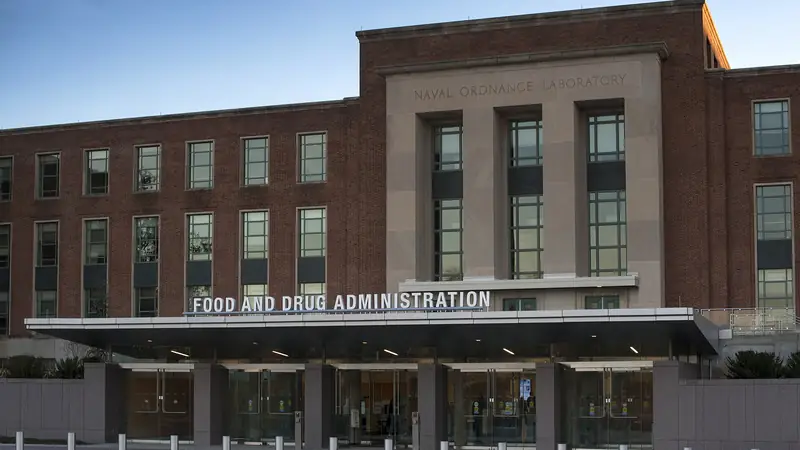
HHS posted a document called "Enforcement Discretion Policy Regarding 503A Compounding Using Certain Peptide Bulk Drug Substances." HHS Secretary Robert F. Kennedy Jr. signed a notice about it. The notice was filed with the Federal Register on October 28 and was printed on October 30, 2026 as 91 FR 68526 (FR Doc. 2026-22192, RIN 0910-ZD94).
"Enforcement discretion" means the government chooses not to punish something. It is not the same as approval.
2. Which 6 peptides
- BPC-157: shot, pill or on the skin
- TB-500: shot
- MOTS-c: shot
- Epitalon: shot, in short courses
- Semax: nose spray
- KPV: pill or on the skin
These are the 6 peptides the FDA advisory panel voted for in July 2026. Emideltide (DSIP), which the panel voted against, is not on the list.
3. The rules
- A prescription for each patient.
- The peptide must come from an FDA-registered maker, with a lab test report for each batch.
- Only 1 peptide per product. No blends.
- The label must say "This is a compounded drug product. Not for resale."
- Serious side effects must be reported to the FDA.
- HHS can change the policy if a safety problem shows up.
4. What it does not mean
- It does not make any peptide FDA approved. The FDA has not checked these products for safety or if they work.
- It does not make "research use only" peptides legal to sell as medicine. HHS says it wants to move people away from them.
- It does not add the peptides to the official pharmacy ingredient list. That needs a longer rule process.
- It does not change sports bans or state pharmacy rules.
5. Can I comment?
Yes. The notice was published in the Federal Register on October 30, 2026. It says comments are open for 2 weeks after publication, on regulations.gov, Docket No. HHS-OASH-2026-0496. By our count that is about November 13, 2026; the notice does not print an exact date. Law firm Foley & Lardner also puts the deadline at November 13, 2026.
6. What happened next (updated October 31)
- FDA scientists had opposed it. AP reported that the policy went ahead despite opposition from FDA scientists. AJMC notes that FDA career staff had recommended against all 6 peptides at the July advisory meeting, and that the policy came from the HHS Secretary's office, not the FDA.
- States are not bound. Politico reported that many states are expected to go along, but none has to. Some may set stricter rules or keep blocking peptide compounding. Are peptides legal in my state?
- A petition to block it. The Partnership for Safe Medicines has asked the FDA to disregard the advisory vote and block compounding of these peptides (AJMC).
- More peptides are in line. As of July, the FDA advisory committee was scheduled to review 5 more peptides in February (AJMC).
FAQ
Is BPC-157 legal now?
A licensed pharmacy may now make BPC-157 for you with a prescription, if it follows the HHS rules. It is still not FDA approved.
Which peptides are in the HHS peptide policy?
BPC-157, epitalon, KPV, MOTS-c, Semax and TB-500.
Is the peptide policy final?
It is issued, but it is "interim," which means for now. HHS calls it a draft, takes comments for 2 weeks after October 30, and can change it.
Official sources
- HHS: the policy text, with the list of peptides and rules
- Federal Register: 91 FR 68526, FR Doc. 2026-22192 (published October 30, 2026)